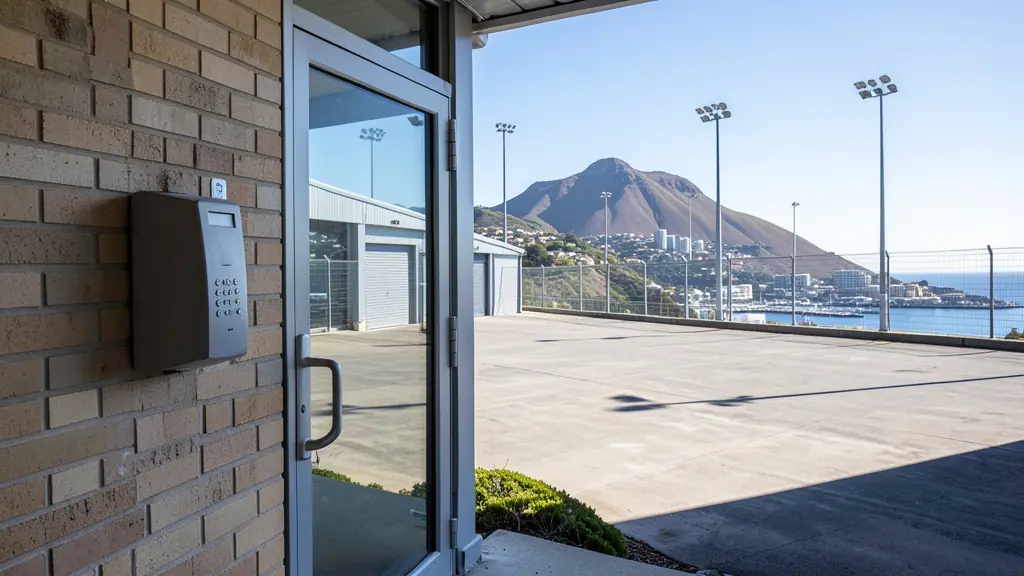
Getting three installers to look at your property in Cape Town takes phone calls and days off. Send one request instead, with the site, what needs covering and what is there now, and we pass it to access control installers who work in Cape Town and nearby areas of Western Cape.
Access Control in Cape Town
Installers serving Cape Town fit card, PIN and biometric access control for offices, factories, schools and estates across Western Cape. Mention the number of doors, whether any are fire exits, and how load shedding is handled on site, so the quote is complete.
Want to know more first? Our access control guide covers the options, what to check and what affects the price.
What to know locally in Cape Town
Heritage areas in Bo-Kaap and Woodstock may limit what fences and gates can be fitted, so ask your installer about local rules. South-easter gusts can slam gates, so choose motors with obstacle sensing and sturdy brackets. Electric fencing on Constantia walls needs regular trimming of creepers, and razor wire near the sea should be stainless.
Properties and sites in Cape Town
Cape Town's security needs change sharply from one side of the mountain to the other. The Atlantic Seaboard and Southern Suburbs have walled homes, blocks of flats and holiday properties, often with alarms, beams, electric fencing and armed response. Century City, the CBD and Woodstock lean on access control and monitored CCTV. Epping, Montague Gardens, Paarden Eiland and Airport Industria hold warehouses and yards that need guards and perimeter detection. Informal areas and the Cape Flats rely on community networks and shared patrols. Winter rain, the south-easter and salt spray corrode fittings, so stainless brackets and sealed housings are standard questions. Most installers and control rooms work metro-wide.
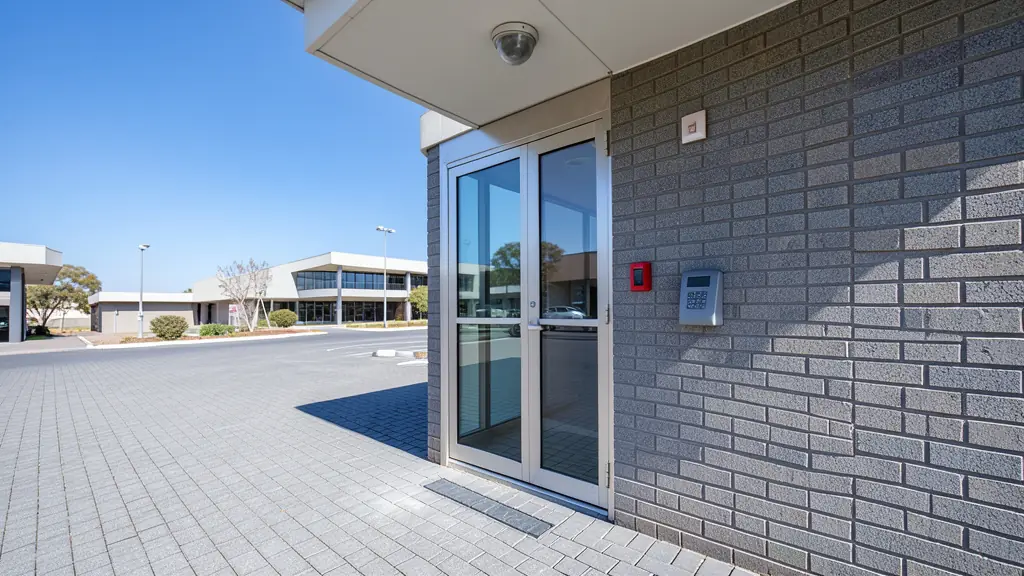
Typical access control requests in the area come from:
- Homeowners and families: a keypad or fingerprint lock on the front door and a card reader at the garage
- Estates, complexes and body corporates: resident tags at the boom gate, visitor codes by app and pedestrian turnstiles
- Offices, shops and retail centres: card readers on staff doors, server rooms and stock rooms with entry records
- Factories, warehouses and yards: tag readers at the gate and plant doors, with muster lists for emergencies
- Events, venues, hotels and lodges: room card locks, staff-only back doors and a code on the parking gate
- Building sites and contractors: tag or face readers at a site gate to record who is on site each day
- Schools, clinics and churches: readers on school classroom blocks, clinic pharmacies and office doors
Local tips for Cape Town
Popular here: armed response, electric fencing, access control and CCTV across a spread-out metro. Ask each company about this: ask for a written response time to your street and a plan for load shedding backup. Who does the work: control rooms across the metro, installers in the northern and southern suburbs.
Access Control usually covers offices, estates, schools, factories and homes, by card, PIN, fingerprint or face readers. For homeowners and families, the biggest group here, that usually means a keypad or fingerprint lock on the front door and a card reader at the garage. Local conditions: winter rain, the south-easter and salt spray: ask for corrosion-resistant fittings.
What to include in your request
- The number of doors, gates or turnstiles
- Who uses them and how many people
- Card, PIN, fingerprint or face preferred
- Any fire exits or escape routes
- Whether you need visitor or time records
A rough plot size is enough: the site plan on this page turns it into metres of boundary, guard posts or camera positions.
Service area: Cape Town and surrounds
Our network covers Cape Town together with Century City, Woodstock, Epping, Montague Gardens, Paarden Eiland, Claremont, Salt River. A street address or the nearest main road helps a access control installer judge travel time and, for monitored services, how far the nearest vehicle is.