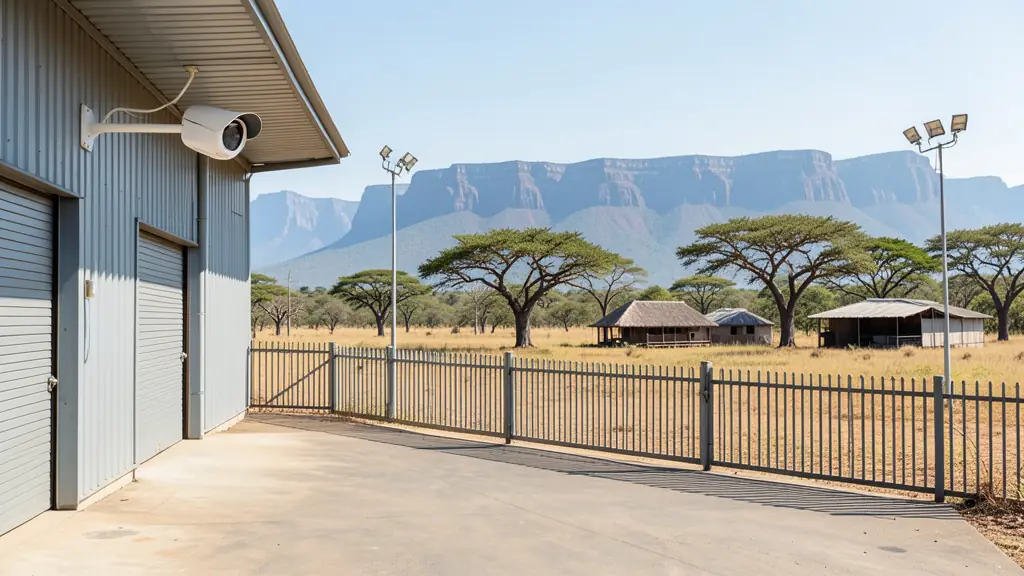
Getting three installers to look at your property in Limpopo takes phone calls and days off. Send one request instead, with the site, what needs covering and what is there now, and we pass it to CCTV suppliers and installers who work in towns and cities across Limpopo.
CCTV Cameras in Limpopo
Suppliers in Limpopo carry bullet, dome and PTZ cameras and recorders, and many cover the rest of Limpopo. Mention whether you have mains power and Wi-Fi at each camera spot, and whether the site suffers load shedding, so the quote includes the right recorder and backup power.
New to this? Read the cctv cameras guide for the options and the questions worth asking before anyone visits the site.
Limpopo notes on cctv & alarms
Temperatures above forty degrees cook cheap cameras and drain batteries, so choose industrial rated units with sunshades and ventilated enclosures. Solar powered cameras with cellular uplinks suit remote lodges and farms where no mains exists. Thermal cameras help detect movement along bush boundaries without false alarms from animals. Beams inside reserves can be triggered by wildlife, so ask your installer how the zones are set.
Properties and sites in Limpopo
In Limpopo the work follows the farms, mines and growing towns. Polokwane, Mokopane, Lephalale and Tzaneen have housing estates, shopping centres and business parks, while the Waterberg coalfields, the platinum belt and Phalaborwa bring mining contractors, yards and construction camps. Game lodges and private reserves near Hoedspruit, Vaalwater and the Kruger fringe want perimeter detection, access control and night patrols, and citrus, tomato and mango farms protect packhouses and cold stores. Extreme summer heat, thunderstorms and dust shorten the life of poorly sealed cameras and batteries, and solar-powered equipment is common on remote sites. Long distances make response times and radio or cellular coverage worth asking about.
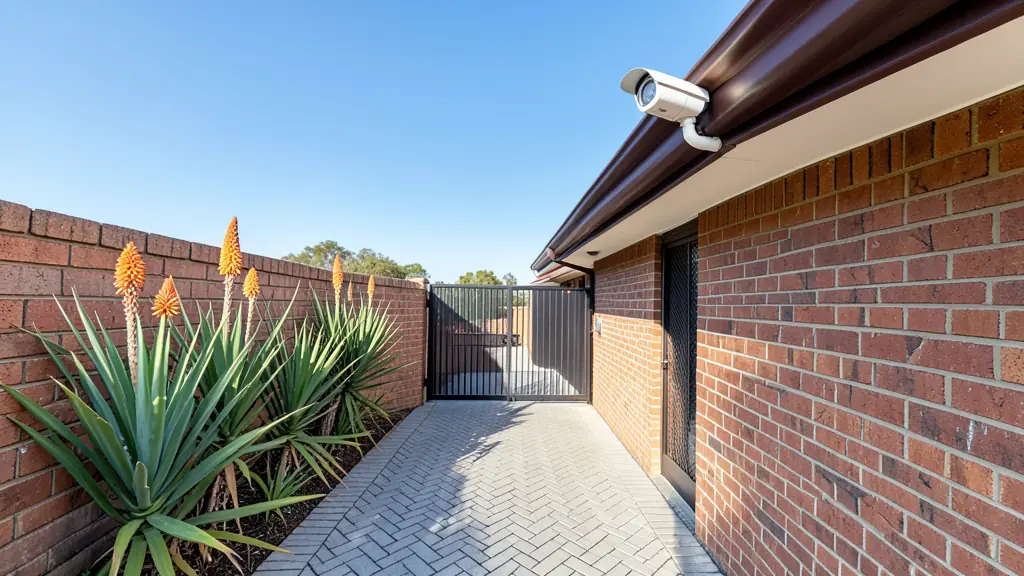
Typical cctv cameras requests in the area come from:
- Farms and smallholdings: solar 4G cameras at the farm gate, sheds and diesel tank where there is no power
- Events, venues, hotels and lodges: domes in reception and passages, bullets on parking, with colour night vision
- Factories, warehouses and yards: long-range bullets on the fence, PTZ over the yard and plate cameras at the weighbridge
- Building sites and contractors: solar 4G cameras on towers that move with the site as work progresses
- Homeowners and families: bullet cameras on the driveway, gate and sides, with a dome in the front passage
- Offices, shops and retail centres: domes over tills and entrances, bullets on the loading bay and the parking
- Schools, clinics and churches: vandal-resistant domes at school gates, corridors and clinic entrances
- Estates, complexes and body corporates: plate-capable cameras at the entrance and exit, plus wide cameras along the fence line
Local tips for Limpopo
Popular here: game lodge and farm perimeters, packhouse CCTV and mine contractor guarding. Ask each company about this: ask how remote cameras stay connected and powered when the grid or signal drops. Who does the work: polokwane is the main base, with smaller outfits in Tzaneen, Lephalale and Hoedspruit.
Around Limpopo the largest group asking is farms and smallholdings, which usually means solar 4G cameras at the farm gate, sheds and diesel tank where there is no power. Expect 2 MP to 8 MP, IP66 outdoor housings as the baseline, and keep in mind: fierce heat and dust: sealed housings, shaded cameras and solar-ready power.
What to include in your request
- Where cameras should go and what each must see
- Faces, number plates or a general view
- Whether you have mains power and network cable
- Days of recording you want to keep
- Analogue system to upgrade or a new one
Detail saves a wasted site visit. Sketch the plot below and the form adds up the boundary, posts or cameras for you.
Service area: Limpopo and surrounds
Across Limpopo our network reaches Polokwane, Tzaneen, Mokopane, Lephalale, Hoedspruit, Thohoyandou, Phalaborwa and the towns between them. Outside the bigger centres, ask who would service the site after installation and what a call-out costs.