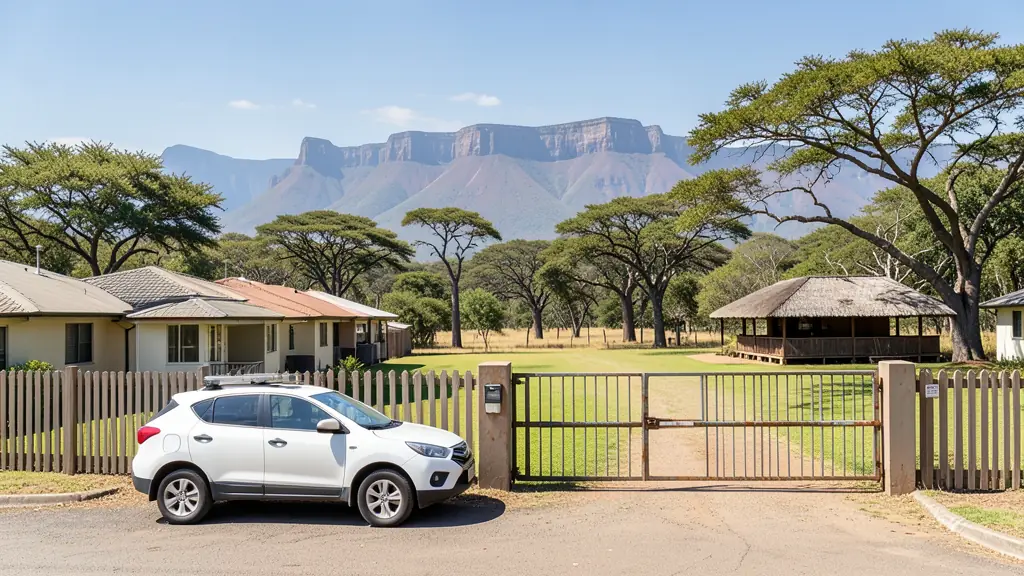
Every patrol company asks the same questions first: what kind of site, which hours, and what is there now. Send one request for security patrols in Limpopo with those answers, and we pass it to security patrol companies who cover towns and cities across Limpopo.
Security Patrols in Limpopo
Security patrols in Limpopo are run by companies that assign vehicles to set zones, so ask which route covers your address. Several firms operate across Limpopo. Share the site address and after-hours so the quote shows visits, distance and report format.
Want to know more first? Our security patrols guide covers the options, what to check and what affects the price.
What to know locally in Limpopo
Limpopo guarding spans shopping centre gates in Polokwane, mine and construction camps near Lephalale, and perimeter patrols at game lodges. Ask whether lodge guards are trained for wildlife encounters and whether a vehicle is on site. Citrus and mango packhouses need seasonal staff during harvest. K9 units suit large yards and mine stores, and event teams cover agricultural shows and weddings that draw big crowds.
Properties and sites in Limpopo
In Limpopo the work follows the farms, mines and growing towns. Polokwane, Mokopane, Lephalale and Tzaneen have housing estates, shopping centres and business parks, while the Waterberg coalfields, the platinum belt and Phalaborwa bring mining contractors, yards and construction camps. Game lodges and private reserves near Hoedspruit, Vaalwater and the Kruger fringe want perimeter detection, access control and night patrols, and citrus, tomato and mango farms protect packhouses and cold stores. Extreme summer heat, thunderstorms and dust shorten the life of poorly sealed cameras and batteries, and solar-powered equipment is common on remote sites. Long distances make response times and radio or cellular coverage worth asking about.
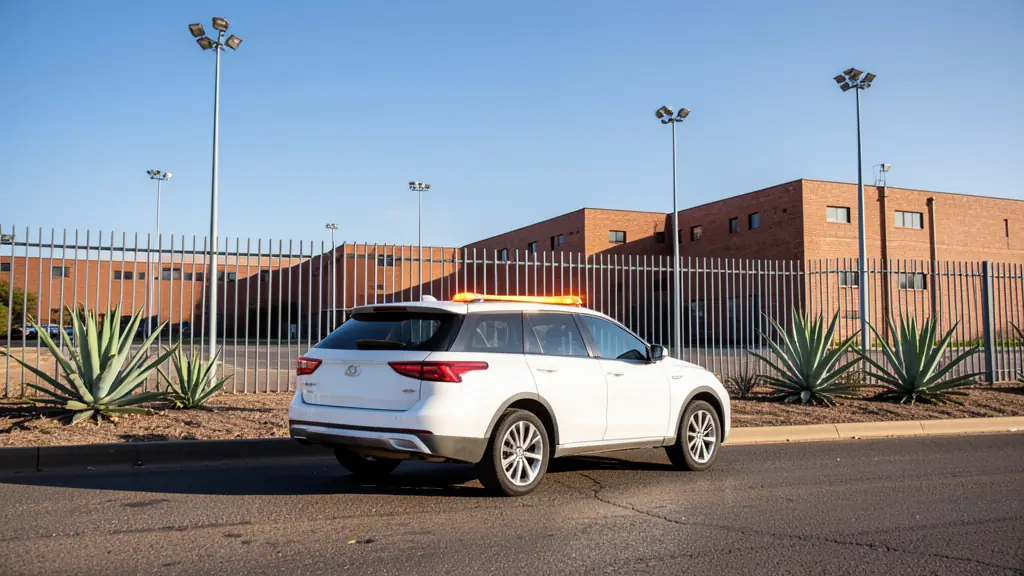
The requests we see from Limpopo usually come from:
- Farms and smallholdings: rounds of sheds, gates and fences, often shared between neighbouring farms
- Events, venues, hotels and lodges: foot patrols of parking, grounds and rooms in the evenings
- Factories, warehouses and yards: random vehicle patrols of the yard, fence line and loading bays
- Building sites and contractors: night rounds of the site container, fence and gate when no guard is posted
- Homeowners and families: a neighbourhood patrol that passes your street several times a night
- Offices, shops and retail centres: after-hours rounds and a lock-up check on shops and offices
- Schools, clinics and churches: after-hours rounds of school grounds, classrooms and the church hall
- Estates, complexes and body corporates: a roving officer inside the estate and along the perimeter wall
Local tips for Limpopo
Security providers for Limpopo mostly work like this: polokwane is the main base, with smaller outfits in Tzaneen, Lephalale and Hoedspruit. The requests that come up most: game lodge and farm perimeters, packhouse CCTV and mine contractor guarding. When you ask for quotes, ask how remote cameras stay connected and powered when the grid or signal drops.
Security Patrols usually covers shops, business parks, yards and farms, by vehicle or foot patrols, random or scheduled. For farms and smallholdings, the biggest group here, that usually means rounds of sheds, gates and fences, often shared between neighbouring farms. Local conditions: fierce heat and dust: sealed housings, shaded cameras and solar-ready power.
What to include in your request
- The address and a sketch of the site layout
- Hours to be covered and visits a night
- Vehicle or foot patrols, random or fixed
- Whether neighbours will share the contract
- Report format and who the officer calls
The more detail you give, the more accurate your quote will be. The site plan below works out the boundary, the posts or the cameras for you.
Service area: Limpopo and surrounds
Security companies and installers on our network work throughout Limpopo, including Polokwane, Tzaneen, Mokopane, Lephalale, Hoedspruit, Thohoyandou, Phalaborwa. For farms and smaller towns, ask about travel costs, how far the nearest response vehicle is and whether the installer services the area regularly.